Key Takeaways
Shading is a fundamental skill that can transform a simple drawing into a captivating masterpiece. Whether it’s the soft gradients of a pencil sketch or the bold contrasts of charcoal, effective shading techniques breathe life into art. Artists of all levels can enhance their work by mastering these techniques, allowing them to create depth, texture, and emotion.
From hatching and cross-hatching to stippling and blending, each method offers unique advantages and challenges. Understanding these art shading techniques not only improves an artist’s technical abilities but also opens up new avenues for creative expression. As artists explore these various approaches, they’ll discover how to manipulate light and shadow to evoke powerful responses in their audience.
Cross-Hatching
Cross-hatching builds on hatching by adding a second layer of lines that crosses the first. This technique allows for greater tonal variation and is effective for creating complex textures or shaded areas.
 Pencils offer a versatile range of shading options. Graphite pencils, graded from 9H (hardest) to 9B (softest), enable artists to create varied tonal values. Softer pencils, such as 2B to 8B, produce darker shades, while harder pencils yield lighter applications. Charcoal, available in compressed and vine forms, provides rich, dark tones and smooth blending capabilities. Artists can achieve both fine details and broad strokes effectively with these materials.
-
- Fundamental Role of Shading: Shading is essential for transforming basic drawings into dynamic artworks, enhancing depth, texture, and emotional impact.
-
- Variety of Techniques: Key techniques include hatching, cross-hatching, stippling, blending, chiaroscuro, and sfumato, each offering unique ways to manipulate light and shadow.
-
- Use of Tools: Different tools like pencils, charcoal, and blending stumps significantly affect the shading process and the quality of the final artwork.
-
- Applications in Art Forms: Shading techniques are applicable in both drawing and painting, crucial for defining forms, creating realism, and evoking emotions in the audience.
-
- Skill Development: Mastering these shading techniques enriches an artist’s skill set and opens new avenues for creative expression and technical proficiency.
Art Shading Techniques
Art shading techniques play a crucial role in enhancing the visual impact of artwork. Each technique offers distinct ways to manipulate light, shadow, and texture, allowing artists to evoke emotions and convey realism.Hatching
Hatching involves creating parallel lines to indicate light and shadow. The density and spacing of these lines determine the darkness or lightness of the area. Artists can vary the line thickness for added depth.Cross-Hatching
Cross-hatching builds on hatching by adding a second layer of lines that crosses the first. This technique allows for greater tonal variation and is effective for creating complex textures or shaded areas.
Stippling
Stippling uses small dots to create an image. By varying the spacing and density of the dots, artists can achieve a range of tones and textures. This technique often requires patience but produces unique visual effects.Blending
Blending smooths transitions between light and dark areas. Artists can use tools like blending stumps, fingers, or cloth to achieve this gradual shift. Blending is particularly effective for creating realistic skin tones or soft shadows.Chiaroscuro
Chiaroscuro emphasizes strong contrasts between light and dark. This technique enhances dramatic effects and can be used to create depth in a composition. It often leads the viewer’s eye to specific areas of the artwork.Sfumato
Sfumato creates soft transitions between colors and tones. This technique eliminates harsh lines, giving a hazy, ethereal quality. Sfumato is often associated with portraits and atmospheric landscapes. By exploring these shading techniques, artists can diversify their skill sets and enrich their artistic expressions. Mastery of shading techniques not only enhances the artwork’s visual appeal but also deepens the emotional response elicited from the audience.Popular Shading Techniques
Artists often utilize several key shading techniques to enhance their work. Each technique offers unique methods for creating depth and texture.Hatching
Hatching involves drawing parallel lines close together to indicate light and shadow. The density and spacing of the lines determine the tonal value; closer lines result in darker areas while wider spacing creates lighter regions. This technique is effective for depicting form and volume in figures, landscapes, and objects.Cross-Hatching
Cross-hatching builds on the hatching technique by adding a second layer of parallel lines in an intersecting pattern. Artists can achieve a broader range of tonal variation with this method. By varying the direction and density of the lines, they create more complex textures and depth, ideal for illustrating shadows and highlights.Stippling
Stippling uses small dots to create an array of tones and textures. The placement and concentration of dots influence the perceived darkness or lightness of a surface. This meticulous technique works well for detailed studies and finely rendered images, providing a unique, soft quality that isn’t possible with line-based shading methods.Tools for Shading
Artists utilize various tools for effective shading, enhancing the depth and texture of their artwork. Selecting the right tools can greatly impact the quality of the shading techniques applied.Pencils and Charcoal
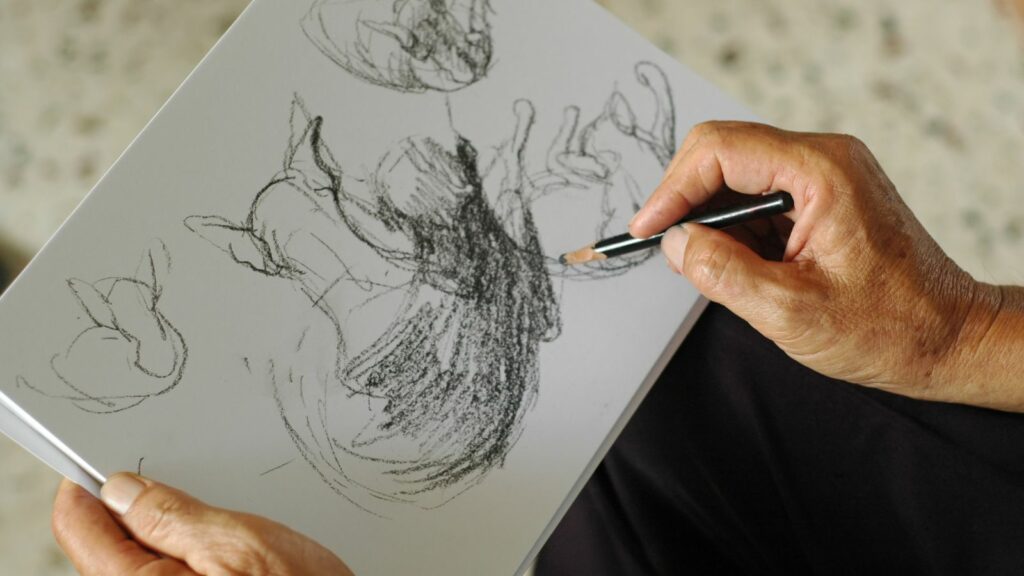
Pencils offer a versatile range of shading options. Graphite pencils, graded from 9H (hardest) to 9B (softest), enable artists to create varied tonal values. Softer pencils, such as 2B to 8B, produce darker shades, while harder pencils yield lighter applications. Charcoal, available in compressed and vine forms, provides rich, dark tones and smooth blending capabilities. Artists can achieve both fine details and broad strokes effectively with these materials.